

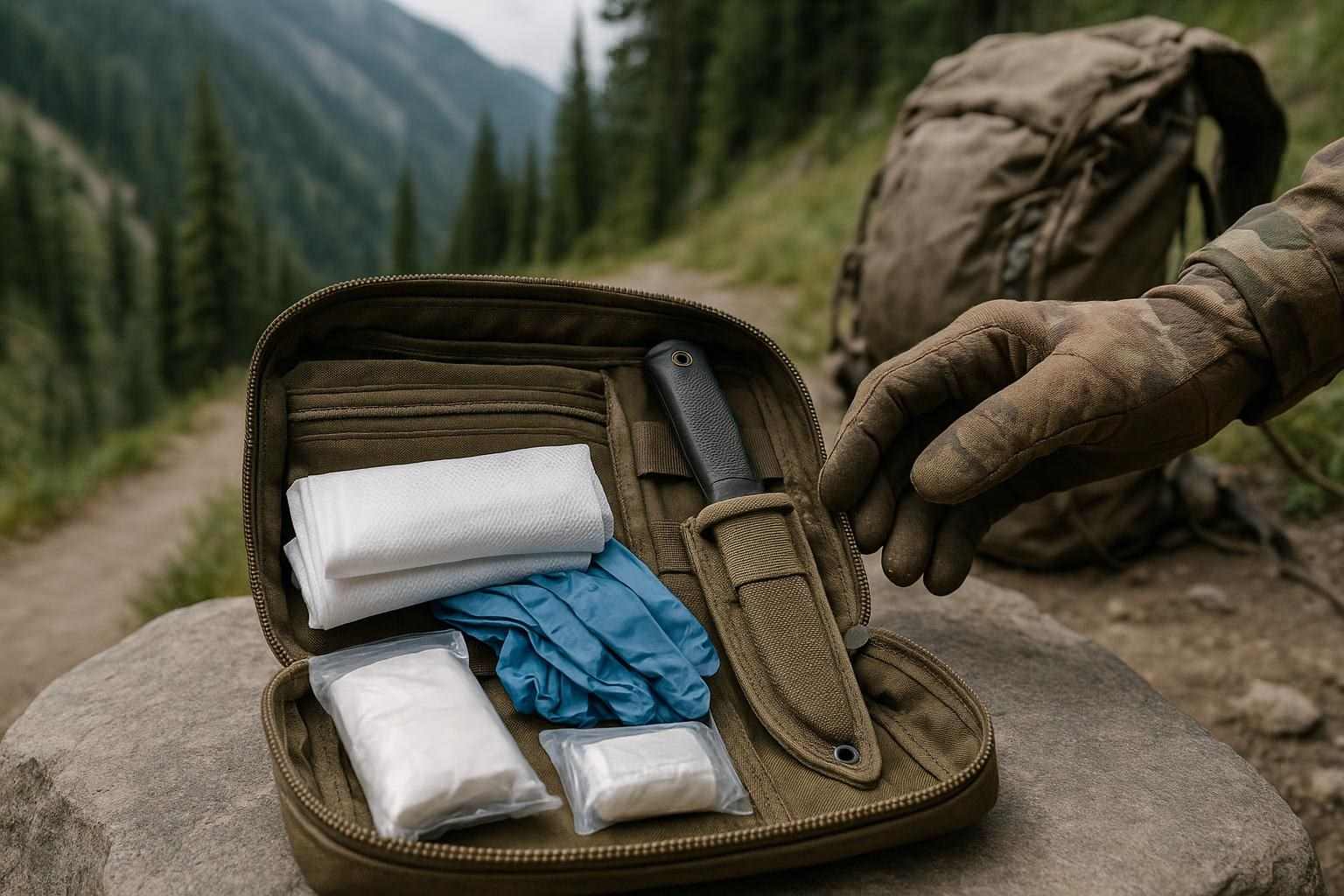
A Way to Pack Your Field Dressing Kit for Hunting in the Backcountry
When you are planning a hunt in the backcountry there are many things to think about once you have an animal down especially if it is far from where you can get help. The equipment you thought was enough when you were at your truck may not be enough when you are out in the field. Choosing the field dressing kit is important-it helps you carry less keeps the meat fresh reduces the effect on nature and gives you safer choices if you have to carry the meat a long way. The aim is a kit that fits your hunt including how far you have to go the weather, the ground you are walking on and the rules in the area.
Think About How You Will Carry the Meat First
Before you even think about your knife think about the problems you will face after you take a shot. Look at things like the ground you will walk on how far you are from your car or your camp how much light you have left and whether you can go back more than once. A small field dressing kit can work well for a walk over cool ground but if you are far from the starting point then having more bags, a better cutting tool and a way to carry the meat in different parts without damaging it can be very helpful.
Using bags or rope might seem like a good idea but if it means you have to use clothes to protect your meat or risk leaving some behind the weight savings don't matter. At the end bringing too big tools or too heavy containers may slow you down without helping you. Ask yourself if every item in your kit solves a problem and if it is easy to find without having to take everything out. To stay organized put everything in a marked bag and keep the things that touch the meat separate from those that touch the hide, bones or the ground.
Keep the Meat Clean with the Right Separation
The start of keeping meat clean is organization. Use bags that let air in and make sure they are the right size for the amount of meat you are carrying-bags that are too big can make the meat move around inside. For trips bring a couple of extra bags; if the weather changes or you need to go back you will be glad you did. Also a small piece of unscented rope can be useful for tying or hanging the bags in a way that follows the rules so it's good to not forget it.
For your cutting tools make sure the knife has a handle and that the sheath stays closed while you are carrying it. The blade should be for cuts not for heavy work. Think about having a blade as a backup; it can be very helpful if your main knife gets dirty or hard to use. It's also smart to bring gloves things to clean your hands and a way to throw away the gloves especially when you don't have a water source nearby.
Never wash tools. Throw things in natural water. It's important to keep the items with you to avoid making the meat dirty and to keep it away from things like dirt, leaves or surfaces that might have bad germs. These habits help keep your food safe and protect the place where you are working.
Change Your Way of Doing Things Based on the Ground
The way you handle the animal in the field depends on things like the ground you're on the temperature and how far you have to go. A method that makes the load lighter might take time and more bags but carrying bigger pieces can be faster-but it might also make it harder to stay clean on tough ground.
There is no one way. If the ground is rough and the animal is too heavy to move then carrying less might be the best choice. On days cutting and keeping the meat in the shade might be more important than cleaning carefully. Pay attention to the rules, in the area as those rules might require parts of the animal to stay attached and those rules should be the most important.